How Do You Explain Slot Providers to Someone New to Online Casinos?
Online casino terminology can make a simple idea sound more complicated than it is. A new player might see a slot in a casino lobby, notice the name of a familiar company on its loading screen, and wonder: who actually made this game, and who is running the casino?
The clearest answer starts with two roles. The operator runs the casino where you play. The provider makes games that may appear in that casino. They work together, but they are not the same company or part of the same job.
That distinction is useful when exploring an online casino catalogue, comparing game styles, or trying to understand why the same slot might appear at more than one casino. It also helps put the graphics, animations, and lobby design in perspective: what a game looks like is not the same thing as who operates the site or what its rules say.
A simple definition: operator versus provider
A simple definition is that an operator provides the casino service, while a provider supplies games to that service. Think of the operator as the venue and the provider as one of the companies whose games the venue offers.
- Operator: Runs the casino website or app, presents its lobby, and manages the player-facing service.
- Provider: Creates and supplies games, such as slots, that can be added to casino catalogues.
An operator such as MrQ is the brand a player visits to browse and use a casino service. A slot provider such as Pragmatic Play makes games that an operator may choose to include. Games Global is another recognizable name in the wider game-supply landscape. These examples illustrate different roles; they should not be treated as interchangeable labels.
In everyday terms, you generally interact with the operator’s site to find games and manage your account. When you open a particular slot, the game itself may come from a provider. The operator sets up the experience around that game, while the provider is responsible for supplying the game content and its rules.
What does the operator do?
The operator is responsible for the casino environment that players see across the site or app. That typically includes the lobby, navigation, search and filtering tools, account features, and the presentation of the available games. Exact responsibilities and services depend on the operator and the market in which it operates.
The player account system is part of this operator-facing environment. It is where a player may sign in, review account information, and use the features made available by that casino. The account system belongs to the casino experience, not to every individual slot provider. Opening a game does not mean that the game’s provider has become the operator of the site.
Operators also decide how to organize their catalogues. One may put new releases near the top of the lobby, while another may emphasize popular games or offer filters by provider, theme, or game type. Those choices affect how easy it is to find a game, but they do not change who made it.
What does the provider do?
A provider develops and supplies games. For a slot, that work can include designing the game’s layout, creating its symbols and animations, defining its features, and making its rules available to the casino platform. Providers may have recognizable approaches to visual design or game structure, although each title still needs to be judged on its own terms.
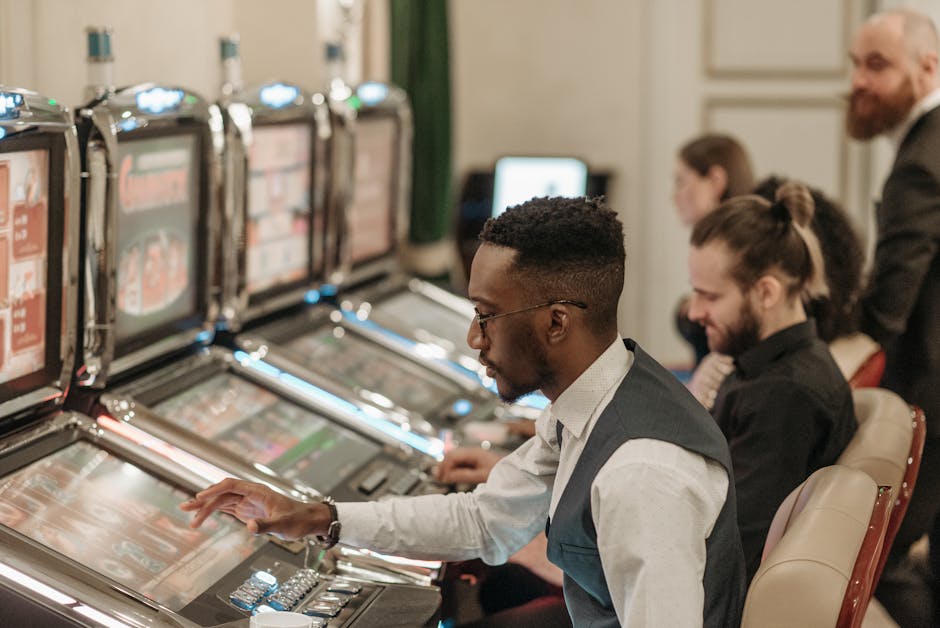
When a game is available at a particular casino, the operator has included it in its offering. That does not mean the operator created the game. Likewise, seeing a provider’s name on a loading screen does not mean that provider runs the casino, controls the player’s account, or determines every part of the operator’s website.
It helps to keep three things separate:
- The casino service: The operator’s website or app and its player-facing features.
- The game: The individual slot and its rules, supplied by a provider.
- The presentation: How the operator displays that game in its lobby and how the game presents itself after it opens.
A catalogue example: several providers in one casino
Here is a catalogue example. Imagine opening an online casino catalogue and seeing a row of slot tiles. One tile may lead to a game from Pragmatic Play; another may be supplied by a different provider. The casino is still the operator in both cases. It has brought games from multiple companies together in one place.
This is why the phrase “multi-provider casino catalogue” is useful. It describes a collection of games from more than one provider, presented through a single operator’s website or app. A player can browse the same lobby, use its search tools, and access the same player account system, even while moving between games made by different providers.
What you see Likely role What it means Casino logo and lobby Operator The brand and service where the catalogue is presented Provider name on a slot tile or loading screen Provider The company associated with supplying that game Account sign-in and casino navigation Operator Features of the casino’s player-facing environment Symbols, game features, and slot rules Game and provider Elements belonging to the individual titleIn practice, the provider name may be easiest to spot on the game tile, information panel, or loading screen. The operator’s name is usually more prominent in the site header, account area, and lobby. If the labels are not obvious, a game’s information page may help identify its supplier.
Why one casino can offer many different styles
Different providers bring different creative teams, production methods, and design choices. One game might use bright, cartoon-like symbols; another might lean into a dramatic adventure setting; a third might keep its interface more restrained. A casino can place all of them in the same catalogue because the operator is curating access to games rather than making every game itself.
This variety can be helpful to players who want to browse by mood or theme. It can also make a lobby feel visually busy. The operator’s job is partly to make a large collection navigable, while each provider’s game team is concerned with the look and function of its own title.
Art direction: what the visuals suggest—and what they do not
Art direction is the set of visual choices that gives a game its identity. It can include the colour palette, symbol style, backgrounds, typography, and overall atmosphere. These choices may suggest a genre or mood, but they do not explain the game’s full rules.
For example, a slot with a fantasy theme may use glowing symbols, ornate frames, and a dramatic background. Those visuals can make the game feel adventurous. The actual mechanics, however, are described by the game’s rules: how wins are formed, what special symbols do, and how any features work. A player should look to the rules for that information rather than infer it from the artwork.
The same separation applies to quality and trust. Polished graphics can make a game feel professionally presented, but attractive art is not proof that a game is certified, fair, or suitable for a particular player. Those questions require reliable information about the game and the relevant casino, not a visual impression.
Visual cohesion and the casino lobby
When a casino offers titles from many providers, visual cohesion becomes a design challenge. The games may have very different art styles, but the operator can still make the catalogue easier to use through consistent lobby design. Clear headings, readable game titles, predictable tile spacing, and useful filters help players understand where one section ends and another begins.
Readability matters more than decoration. If provider names, game titles, or navigation labels are cramped or difficult to distinguish, a stylish background will not solve the problem. Good spacing helps people scan the catalogue, while clear labels make it easier to tell the casino’s interface apart from an individual game’s interface.
Once a slot opens, its visual style may change substantially. That is not necessarily a sign that anything is wrong: the casino lobby and the game were designed for different purposes. The lobby helps users browse a collection; the game screen presents one title. A well-managed transition should still feel understandable, with controls and rules easy to locate.
Animation as cross-team collaboration
Animation is often described as part of the game’s visual appeal, but it also depends on coordination across different parts of production. Artists may create characters, symbols, and backgrounds. Animators give https://enyenimp3indir.net/what-makes-a-slot-interface-feel-clean-instead-of-cluttered/ those elements movement. Designers decide how the motion fits the game’s features, while developers implement the interactions and make the experience function within the game.
There can be collaboration between the provider and the operator, too. The provider supplies the game, and the operator presents it within its site or app. The exact technical arrangements vary, but the basic point is simple: what a player experiences is shaped by more than one layer of work. The operator’s lobby and account environment surround a game; the provider’s team creates the title itself.
Animation should not be confused with a signal about outcomes. A sparkling symbol, dramatic pause, or celebratory sequence is a visual effect. It does not predict a future result or tell a player that a win is due. The rules explain what events mean in the game; animation communicates those events on screen.
How to identify the roles when browsing
If you are new to online casinos, a few quick checks can make the distinction easier to remember:
- Look at the site you are using. The brand and service you entered are associated with the operator.
- Check the game tile or loading screen. These may show the provider linked to the slot.
- Open the game information or rules. Use them to understand features and mechanics instead of guessing from the theme.
- Notice the shared lobby tools. Search, filters, and account navigation belong to the casino experience, even when the games in the catalogue come from different providers.
These steps are especially useful when one casino lists a large number of games. The catalogue can look like a single collection, but its titles may come from many separate providers.

The short version
An operator runs the casino service and presents its catalogue. A provider creates and supplies games that the operator may include. MrQ is an example of a casino brand to encounter on the operator side; Pragmatic Play and Games Global are names associated with game supply. In a multi-provider catalogue, one operator can offer titles from several providers through the same lobby and player account system.
Keep the roles, rules, and visuals distinct. The operator’s interface helps you browse and manage the casino experience. The provider’s game has its own design and rules. Art and animation help communicate a theme or event, but they do not replace the rules or prove anything about certification. Once those boundaries are clear, the language around online casino games becomes much easier to follow.