How Do You Spot a Slot Game with Too Much Going On?
The landscape of slot gaming has evolved dramatically over the past decade. From the simple, classic spinning reels of old to today's vibrant, cinematic experiences, slot games have grown increasingly complex. This transformation is powered by studios like NetEnt, who consistently push the boundaries of theme and technology, and by operators such as MrQ, that curate vast libraries to offer players variety and visual spectacle.
While these advances offer richer gaming experiences, a growing challenge is emerging: distinguishing when a slot game has simply too much going on. This can manifest as a busy UI, too many meters cluttering the screen, or hard to read reels, all detracting from player enjoyment.
The Shifting Paradigm: From Simple Reels to Cinematic Slot Games
Originally, slot games were straightforward affairs, typically consisting of 3 reels and a few paylines. The simplicity ensured that players could easily understand the game mechanics and focus on the thrill of the spin. However, with rising player expectations and technological breakthroughs, many developers, including giants like NetEnt, began embracing cinematic presentations.
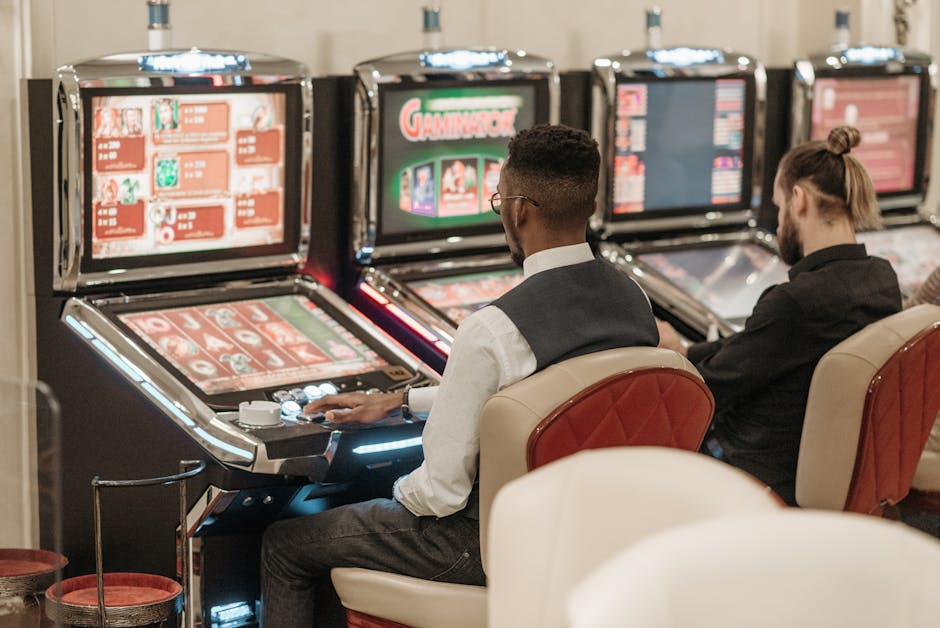
Modern slot games incorporate storylines, intricate animations, and immersive soundscapes. These elements contribute to a "world-building" effect, where the theme does more work than just serving as decorative symbols. The Associated Press recently highlighted this trend, noting that gaming studios are increasingly taking inspiration from video games and film to deliver engaging narratives alongside traditional slot gameplay.
World-Building as a Core Design Element
The importance of thematic depth cannot be understated. Games now feature characters, settings, and plot-driven bonus rounds — bringing a dynamic, living world into the slot. For example, a fantasy-themed slot might include a quest narrative where each spin moves the player closer to a magical artifact. This approach enhances player immersion but also places heavy demands on the game's UI and visual clarity.
Busy UI: The Most Common Sign of an Overloaded Slot Game
As game libraries expand, operators like MrQ need to ensure each slot is visually distinguishable. The pressure to stand out has led some developers to fill screens with a barrage of meters, counters, bonus trackers, and animated effects, creating a busy UI that can overwhelm the player.
Identifying Busy UI
- Too Many Meters: When multiple progress bars, energy meters, free spin counters, and bonus trackers compete for attention, it can be difficult to determine what is most important.
- Hard to Read Reels: Symbol clarity suffers when additional UI elements overlap or distract. Players may have to squint or take extra time to identify winning combinations, disrupting flow.
- Overuse of Animations: Constant flashing lights, spinning borders, and background effects can clutter the visual field and create sensory overload.
Such complexity can negatively impact usability, especially on smaller mobile screens where limited real estate magnifies UI design mistakes.
The Role of Mobile-First UI and Touch Controls
Since a significant majority of players access slots on smartphones or tablets, mobile-first UI design has become https://www.citywatchla.com/gaming/33360-why-online-slot-games-look-more-like-mainstream-video-games-than-ever a cornerstone of modern slot game development. Developers must ensure layouts and controls are not just aesthetically pleasing but also intuitive and responsive to touch. This means:
- Compact and Clear Information Display: Only essential info should be displayed prominently, while secondary meters may be accessible via expandable menus or tooltips.
- Large Touch Targets: Buttons and interactive elements must be adequately sized for fingers rather than mouse pointers.
- Readable Text and Symbols: Fonts and iconography need to be visible in various lighting conditions and screen sizes.
Games that violate these guidelines risk frustrating players, who may abandon the title prematurely.
How Operators and Reviewers Manage UI Complexity
At platforms like MrQ, the emphasis on player experience extends beyond the initial game launch. Their testing teams employ tools, including user comment platforms such as Disqus, to gather real-time feedback from their communities. This input helps identify UI pain points, such as instances where reels are difficult to interpret or meters confuse more than clarify.
In addition, professional reviewers and journalists, including members of the Associated Press gaming desk, contribute insightful analysis spotlighting titles that are overburdened visually. These findings influence both player expectations and developer approaches.
Checklist: Spotting a Slot Game with Too Much Going On
Indicator Description Why It Matters Too Many Meters Multiple bonus trackers, progress bars, and counters visible simultaneously Clutters UI, causing confusion about current game state or rewards Hard to Read Reels Symbols obscured by overlays or lose definition due to excessive effects Players may misinterpret wins or misses, harming game clarity Excessive Animations Non-stop flashing, spinning borders, background effects stealing attention Leads to sensory overload, resulting in fatigue or frustration Poor Mobile Optimization Small buttons, tiny text, unresponsive touch controls on smartphones/tablets Detracts from gameplay fluidity and accessibility Unclear Theme Integration Thematic elements overwhelm basic slot mechanics, causing distraction Players struggle to understand game objectives and featuresBalancing Complexity with Usability: Best Practices for Developers
Game creators must walk a fine line between innovation and simplicity. Here are some strategies that leading studios like NetEnt often implement:
- Layered Information: Presenting essential data upfront with secondary information accessible via taps or swipes to reduce clutter.
- Thematic Consistency: Ensuring audiovisual elements reinforce rather than compete with gameplay mechanics.
- Adaptive Layouts: Designing responsive UIs that intelligently adjust for screen size and orientation.
- User Testing: Incorporating feedback from mobile and desktop users to fine-tune interface density and readability.
Conclusion
The evolution of slot games from simple reels to immersive worlds is unquestionably exciting for players and developers alike. However, as slots become more visually and mechanically complex, spotting titles with too much going on becomes crucial for both operators and gamers.
Recognizing signs of a busy UI, too many meters, or hard to read reels helps players find games that truly deliver fun rather than frustration. Operators like MrQ, developers such as NetEnt, and the broader industry—including media outlets like the Associated Press—play pivotal roles in advocating for balanced, user-friendly designs.
By prioritizing mobile-first principles, clear communication, and elegant theme integration, the slot games of the future can retain their cinematic allure without sacrificing usability. For players, this means more immersive spins where the excitement comes from the gameplay — not from fighting an overloaded interface.
If you want to see how community discussions help shape game usability standards, check out the discourse on platforms like Disqus where real players discuss UI pain points and praise smart design choices.
