Is It Better to Improve Resolution or Reduce Latency for Live Dealer Games?
Live dealer games have reshaped the online casino landscape, blending the thrill of real-time interaction with the convenience of digital platforms. But in delivering that experience, operators and engineers face a crucial design choice: should they prioritize higher resolution video or lower latency streaming?
This question isn't just academic. It's about what truly impacts player experience across diverse devices, especially in mobile-first environments where most users now engage. Streaming vendors, hardware manufacturers, and industry groups like the Society of Motion Picture and Television Engineers (SMPTE) have been weighing in, but the ultimate answer depends on multiple technical and user-facing factors.
The Landscape of Live Dealer Game Production
Multi-Camera Studio Production
Most live dealer games use multi-camera studio setups to capture the dealer’s actions, the table, cards, and chips from various angles. This creates a dynamic, engaging view that mimics an in-person casino visit. However, multi-camera setups multiply the complexity of encoding and delivery.
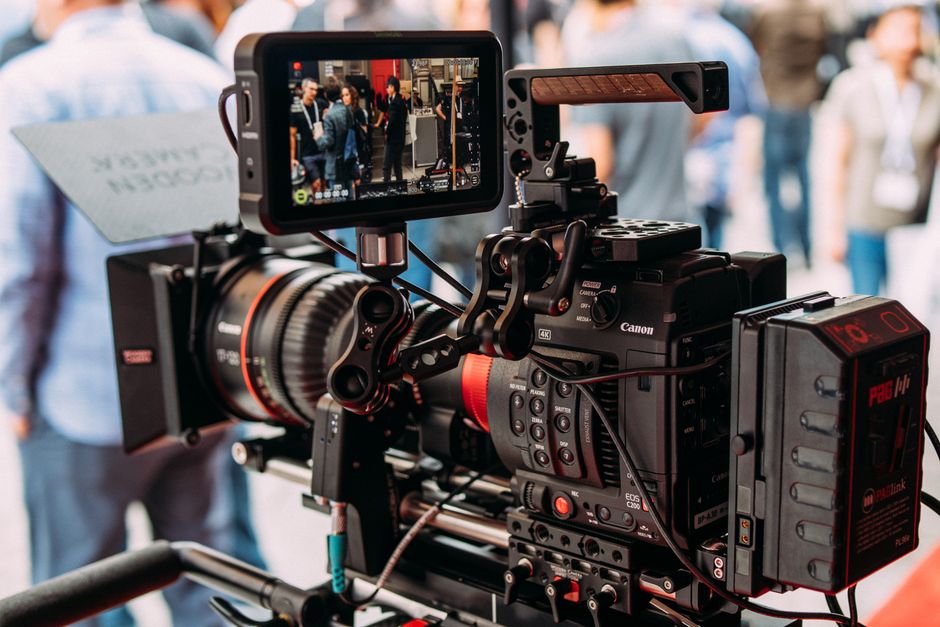
Hardware Times often reviews the latest broadcast encoders that support multiple HD streams synchronized perfectly. When improving resolution, each camera’s feed demands higher bandwidth and more powerful encoding hardware. This complexity can increase encoding delay, adding to latency.
Lighting and Visual Consistency
Consistent lighting is critical. Shadows, reflections, and color shifts can confuse computer vision algorithms used in deck recognition or chips tracking. Higher resolution videos reveal more detail, which means lighting inconsistencies become more obvious and distracting.
MRQ (mrq.com), known for specializing in media quality metrics, frequently highlights how lighting and visual consistency impact perceived video quality more than resolution increases beyond a certain point—especially on smaller screens.
Mobile-First Streaming Constraints
More than 70% of online casino app users play on mobile, making mobile optimization essential. The imperative is ensuring a stable, smooth experience on screens often less than 7 inches diagonally.
- Resolution Tradeoffs: Mobile screens physically limit the perceived benefit of going beyond HD resolutions (720p or 1080p). A 4K stream on a small smartphone often yields diminishing returns but drastically increases bandwidth and decoding load.
- Latency Priority: Mobile networks can fluctuate, so minimizing end-to-end latency means users see dealer actions live, enhancing trust and engagement. Even a 1-2 second lag can feel out of sync during betting rounds.
Encoding and Compression Challenges
To balance resolution and latency, encoding parameters must be finely tuned. Sophisticated codecs like H.264 and HEVC offer compression efficiency, but higher resolution streams require stronger compression to reduce bandwidth, which risks introducing artifacts and latency.
The SMPTE community continually develops standards for low-latency workflows, focusing on reducing buffer sizes and optimizing GOP (Group of Pictures) structures to minimize delay while maintaining video integrity.
Resolution vs. Latency: What Players Really Notice
Studies from MRQ have found that incremental improvements in resolution beyond Full HD have minimal impact on subjective player satisfaction—especially on mobile devices. Players are far more sensitive to jitter, freezes, and latency-induced delays than to razor-sharp video details.

In live dealer games, timing is everything. If a player's bet placement and the dealer’s reveal don't feel instant, the illusion of “live” interaction breaks down. Reduced latency strengthens engagement and confidence, crucial for retention and revenue.
Practical Considerations for Operators
Factor Resolution Improvement Latency Reduction Bandwidth Usage Significant increase Moderate increase due to optimized streams Encoding Complexity High, needs better hardware Moderate, balanced encoding Player Impact on Mobile Low beyond 1080p High, improves real-time feel Production Complexity Increases with multi-cam HD Requires synchronization focusWhat Happens When This Box Overheats at Hour 9?
From live production experience, hardware overheating or failure is a silent enemy. Higher resolution encoding pushes devices harder, increasing thermal output. Prolonged loads can cause frame drops or sync issues mid-stream. Lower latency setups often rely on optimized compression and buffering, reducing strain on encoders.
Recommendations
- Prioritize latency over ultra-high resolution: For live dealer games, a consistent, low-latency stream wins over marginal resolution gains, especially on mobile.
- Utilize adaptive bitrate streaming: Smooth transitions keep video quality stable without spiking latency or requiring excessive bandwidth.
- Invest in lighting and studio calibration: Visual consistency affects perceived quality more than pixel count.
- Run regular monitoring and failover checks: Redundancy ensures streams maintain low latency and quality for 24/7 operations.
Conclusion
The live dealer game experience depends on the seamless synergy of multiple technical layers—video resolution being just one. While high resolution is appealing, the practical benefits plateau on mobile screens and can impose latency penalties with real player dissatisfaction.
Reducing latency enhances the authentic live experience that draws players to these games. Industry leaders like Hardware Times and organizations such as SMPTE back the movement toward smarter compression https://hardwaretimes.com/the-hardware-behind-modern-live-casino-streaming/ and low-latency protocols that fit the mobile-first reality of today’s online casino apps and websites.
Ultimately, understanding your audience’s device habits and network environments should guide whether resolution tradeoffs or latency priority make sense. Spoiler: on mobile, a crisp, instant video bets way more on player trust than a 4K view delayed by several seconds.