Why Do We Still Say "Dial a Number" and How That Relates to Slots
Even though rotary phones have long since been replaced by smartphones, many of us still say "dial a number" when making a call. This fascinating survival of old tech words in everyday language highlights how certain metaphors and terms endure—especially in digital interfaces. In the world of online slots, this phenomenon is just as evident. From "reels" spinning on a screen to "wild" symbols substituting for others, slot games often use language rooted in their mechanical ancestors.
In this article, we'll explore why phrases like "dial a number" stick around, how old mechanical slot terminology persists in modern digital slots, and why consistency in vocabulary matters. We'll reference perspectives from OMG Grammar, definitions from Merriam-Webster, and examples from the UK-facing platform MrQ, known for its rich catalog of conventional slots as well as variants like expanding reels and alternative win structures.
The Endurance of Old Tech Words in Everyday Language
The phrase "dial a number" is a classic example of how old tech words survive long after the technology itself becomes obsolete. Rotary phones required physically turning a dial to select digits. Today, with touchscreens and voice commands, there's no "dialing" in the original sense—yet the phrase remains common.
OMG Grammar highlights that these linguistic relics persist because they serve as convenient metaphors and have become ingrained in speech. Merriam-Webster notes how many idioms or figurative phrases stem from outdated technology but stay in usage due to familiarity and habit.
This same principle applies to slots and their language. Words like "reels," "payline," and "wild" symbols come from the mechanical era of slot machines. Yet they're central to how players understand and interact with modern digital slots.
Mechanical Slot Metaphors Surviving in Digital UI
The transition from physical slot machines to online games has been profound technologically but less so linguistically. Despite spinning pixels replacing spinning metal reels, the UI retains metaphors grounded in the original mechanics.
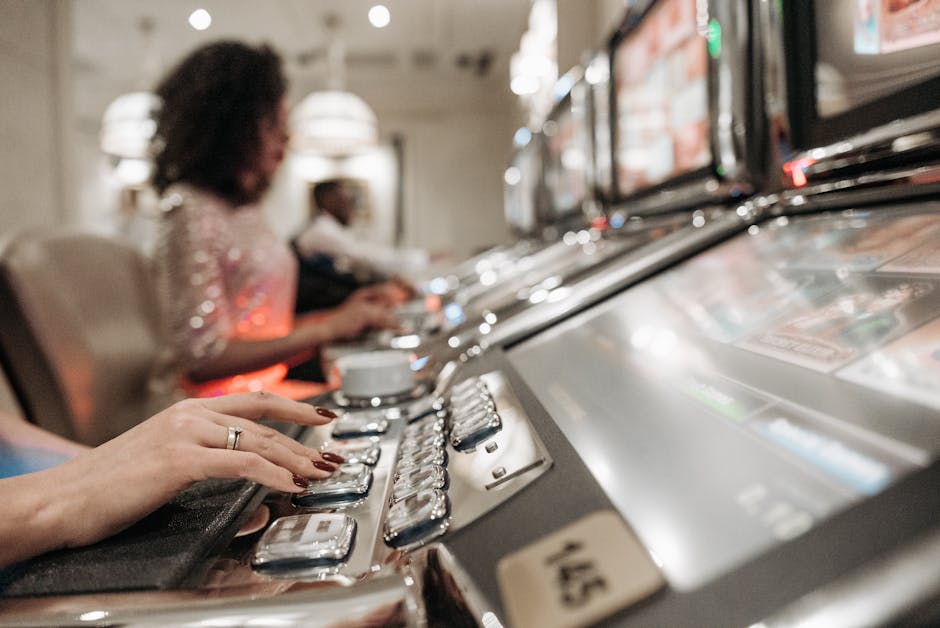
Consider the “reel metaphor example.” The “reel” in physical slots was an actual cylinder marked with symbols. Today, MrQ offers a variety of slot games that digitally simulate reels spinning on-screen—sometimes even altering the number of reels or implementing expanding reels for fresh gameplay twists.
Using the reel term keeps user experience consistent. Players already understand the concept of symbols aligning on reels, so applying this familiar metaphor reduces cognitive load even as games innovate.
Why Interface Metaphors Matter
- Familiarity: Players recognize terms like "reel" and "line," easing navigation of new games.
- Consistency: Shared vocabulary across different games makes switching titles smoother.
- Visual Alignment: The visual design often mirrors the mechanical metaphor, reinforcing understanding.
Though pure mechanical reels don’t physically spin anymore, the metaphor persists because it works. This approach parallels how we still "dial" numbers on our smartphones despite the absence of a physical dial.
Consistency of Vocabulary Across Different Games
One challenge for platforms like MrQ, which host conventional slots alongside innovative variants—such as expanding reels or alternative win structures—is maintaining vocabulary that applies across formats without confusing players.
Traditional slots might have fixed paylines running horizontally or diagonally through reels, but expanded or cluster-pays variants use different ways to win. Even so, terms like “wild symbols” or “spins” remain consistent.
This consistency serves several purposes:
- Intuitive Learning: New games feel approachable because of familiar terminology.
- Marketing Clarity: Tutorials, promotions, and paytables use recognizable language.
- Player Retention: Reduce frustration by avoiding jargon overload or mixed metaphors.
When “Payline” Isn’t Always a Line
A common error is calling every win pattern a "payline," even in cluster pays or ways-to-win slots where symbols just need adjacency rather than alignment along a line. This misuse can mislead players about how wins actually form.
A lexically precise approach acknowledges that classic "payline" refers to a specific type of win pattern, while alternative systems have their own terms. Clarity is key.
Wild Symbols as Substitutes—with Exceptions
The term "wild" in slots comes from the symbol's function as a substitute for other symbols, much like a wild card in card games. Before referring to something as a wild, it's always good practice to check the paytable because some wilds can have restrictions.

For instance, MrQ’s catalog includes games where wilds substitute for many symbols but not scatters or bonus icons. Some wilds even expand to cover reels or come with multipliers, adding extra layers to the basic concept.
Understanding these exceptions ensures players use the term "wild" correctly and know what exactly to expect within a given game. It also underscores the importance of consulting official game info rather than assuming all wilds behave identically.
Drawing the Connection: Everyday Phrases and Slots Language
Returning to the phrase "dial a number," we what is a wild symbol can see that old tech words endure because they form conceptual bridges between past and present technologies. In slots, the reel metaphor acts as a similar bridge. It connects the tactile experience of pulling a physical lever with clicking a button on a touchscreen.
This consistency and metaphorical persistence enrich user experience. Players understand the game language intuitively, much like how a phrase like "dial a number" feels natural despite technology changing dramatically.
Conclusion
Old tech words and metaphors in language are surprisingly resilient, providing continuity that helps us navigate new interfaces. Slot games, especially on platforms like MrQ, embody this through consistent vocabulary drawn from mechanical origins.
Whether it’s the enduring "reel" metaphor or accurate use of "wild" symbols, preserving these terms bridges generations of players and technology. So next time you "dial a number" or watch reels spin online, you’re engaging with history—both linguistic and mechanical—in digital form.